
Pharyngeal Cancer
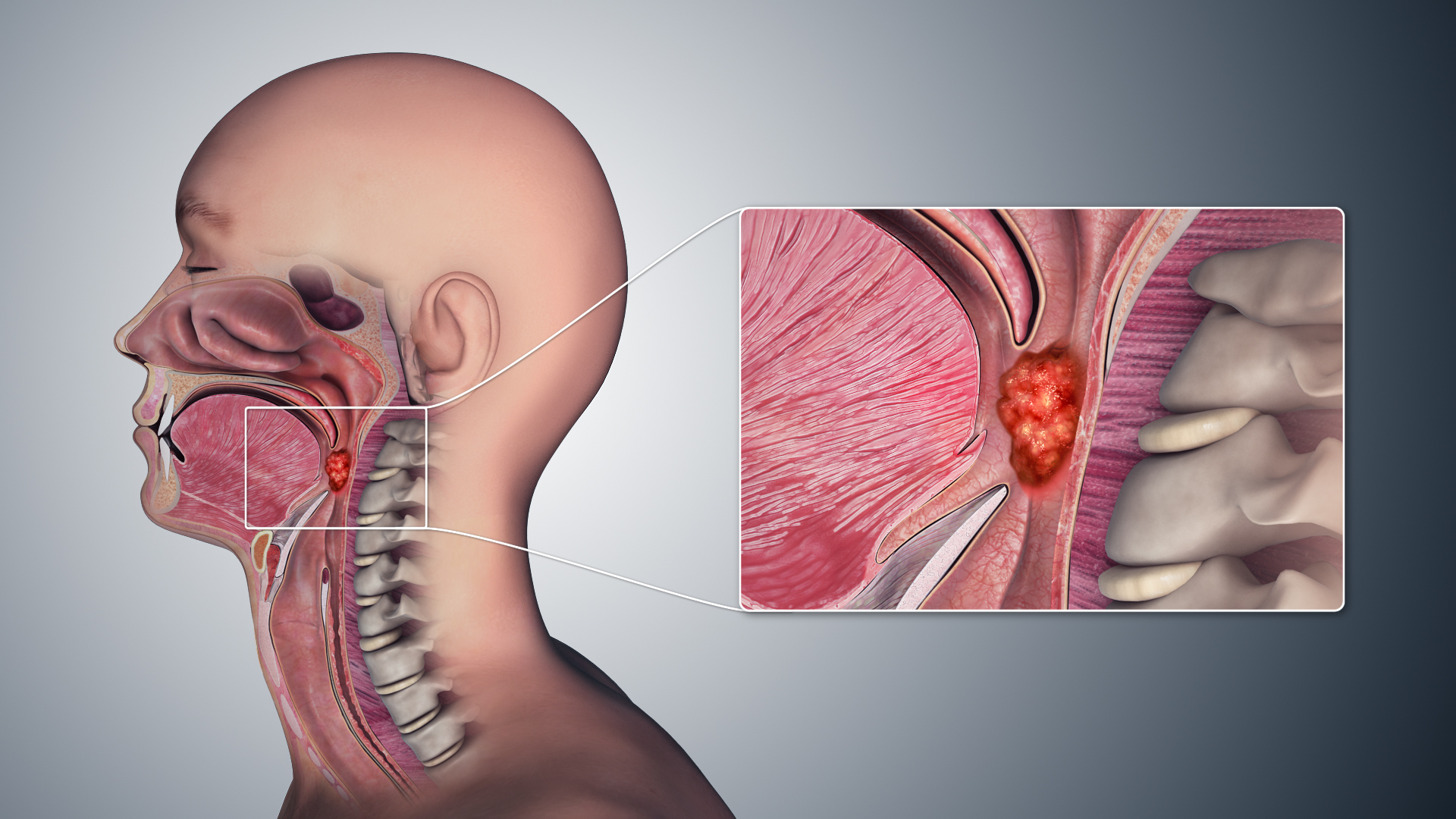
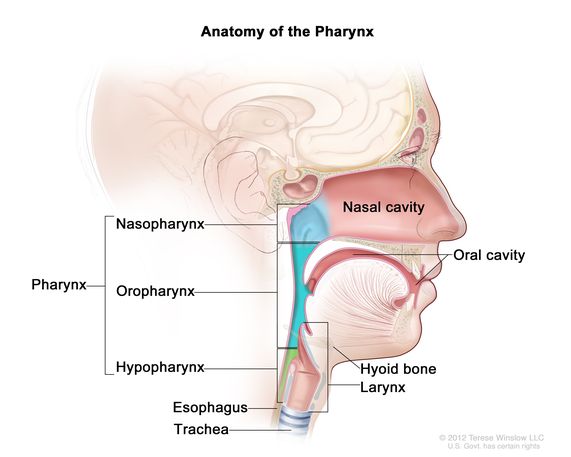
Pharyngeal cancer is a type of head and neck cancer that develops in the pharynx—the hollow tube that starts behind the nose, runs down the throat, and connects to the esophagus. The pharynx is divided into three parts: the nasopharynx (upper throat behind the nose), oropharynx (middle throat including tonsils and base of tongue), and hypopharynx (lower throat near the larynx and esophagus).
Most pharyngeal cancers arise from squamous cells lining the throat. Risk factors include tobacco use, alcohol consumption, HPV infection, poor oral hygiene, and certain environmental exposures. Early detection and comprehensive treatment greatly improve outcomes and preserve vital functions like swallowing and speaking.

Signs and Symptoms of Pharyngeal Cancer
Difficulty or pain while swallowing (dysphagia)
A lump or swelling in the neck
Hoarseness or changes in voice
Ear pain or ringing in the ears (without ear infection)
Nosebleeds, nasal blockage, or frequent sinus issues (especially in nasopharyngeal cancer)
Unexplained weight loss
Persistent bad breath
Fatigue and general weakness
Diagnosis of Pharyngeal Cancer
Expert Evaluation for Precise Diagnosis
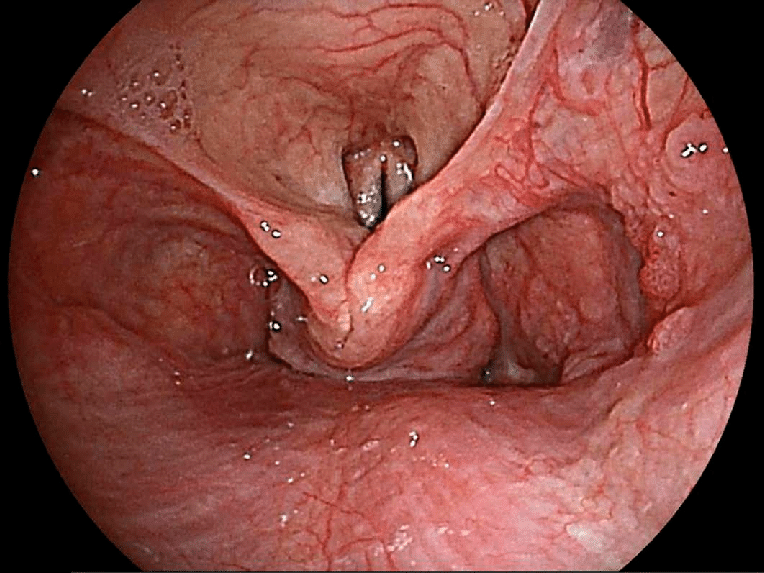
Nasopharyngoscopy / Laryngoscopy
Endoscopic examination of the pharynx to detect abnormal growths or lesions
Biopsy
Tissue sampling to confirm cancer diagnosis
Imaging Tests
CT scan, MRI, PET-CT, or ultrasound to determine tumor extent, stage, and spread
HPV Testing
Identifying HPV-related cancers for targeted treatment approaches
Blood Tests
To check overall health and assess treatment readiness
Treatment Options for Pharyngeal Cancer

Radiation Therapy
Targeted radiation to shrink or destroy tumors, often used for early-stage cancers or in combination with chemotherapy.

Chemotherapy
Cancer-fighting drugs that circulate throughout the body, often combined with radiation in advanced stages.

Surgery
Removal of tumors, with techniques focused on preserving swallowing and speech functions when possible.
Targeted Therapy
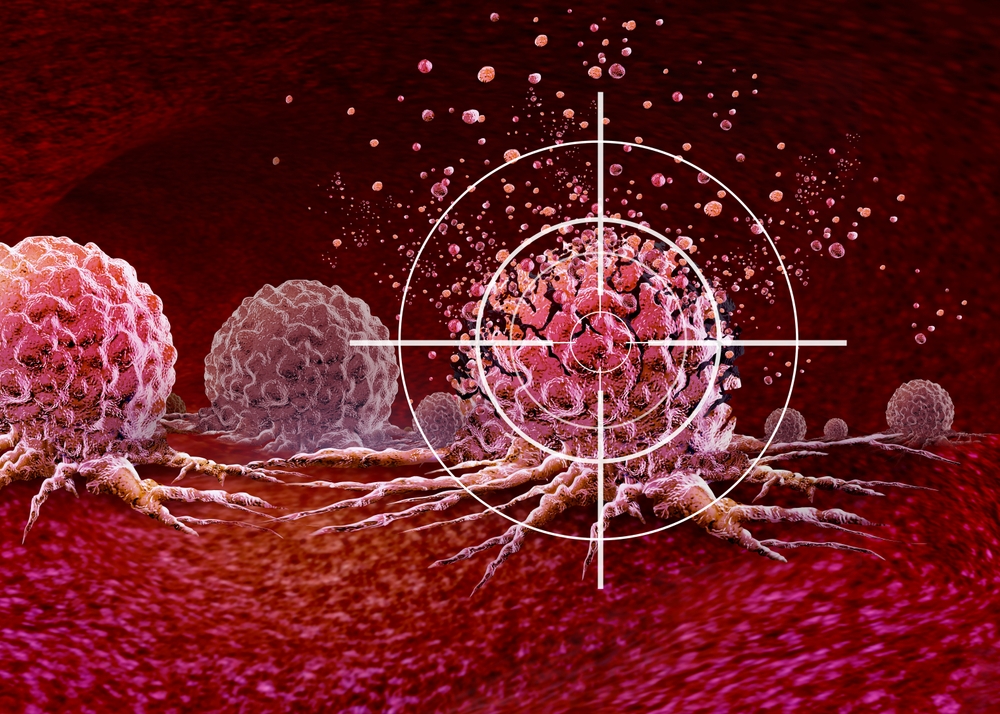
Drugs designed to attack specific cancer pathways, often improving effectiveness with fewer side effects
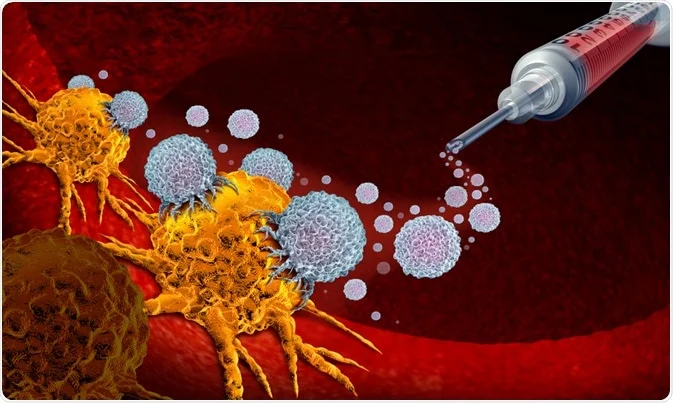
Immunotherapy
Advanced treatments that boost the body’s immune system to recognize and fight cancer cells, especially in recurrent or metastatic disease.

Multidisciplinary Rehabilitation
Collaboration with ENT surgeons, speech and swallowing therapists, dietitians, and pain specialists to optimize recovery and quality of life.
Why Choose Dr. Chandrani Mullick for Pharyngeal Cancer Care?
Globally Trained Oncologist – MRCP (UK), ESMO-certified, with international expertise in head & neck oncology
Advanced, Evidence-Based Care – Access to cutting-edge radiation, targeted therapy, and immunotherapy options
Function Preservation Focus – Strives to maintain swallowing, speech, and nutritional health during treatment
Personalized Treatment Plans – Tailored according to cancer type, stage, HPV status, and patient needs
Compassionate & Holistic Support – From diagnosis to survivorship, with emotional counseling and rehabilitation services
Team-Based Approach – Works alongside ENT surgeons, radiologists, and speech specialists for comprehensive care

Frequently Asked Questions on Cancer
"Understanding Cancer: Your Questions, Answered"
Common symptoms include unexplained weight loss, persistent fatigue, changes in skin, lumps or swelling, and unusual bleeding. However, symptoms can vary depending on the type of cancer.
Cancer is diagnosed through a combination of methods, including physical exams, imaging tests (such as MRI, CT scans), biopsies, and blood tests.
Treatment options include surgery, chemotherapy, radiation therapy, immunotherapy, hormone therapy, and targeted therapy. The choice depends on the type and stage of cancer.
Yes, lifestyle changes like a healthy diet, regular exercise, avoiding tobacco and excessive alcohol, and protecting skin from the sun can reduce the risk of certain cancers.
Side effects can vary; managing them involves working closely with your healthcare team, who may recommend medications, dietary changes, or other supportive measures to alleviate symptoms.