

About Dr. Chandrani Mallik
MBBS(CAL), MD(RADIATION ONCOLOGY), MRCP(UK), MRCP(UK)MEDICAL ONCOLOGY, ESMO CERTIFICATE IN MEDICAL ONCOLOGY
Dr. Chandrani Mallik is one of the Best Cancer Doctors in Kolkata. She has extensive experience in the field of Medical Oncology. She has worked in several reputed hospitals in the UK as a Cancer Specialist Doctor. She has completed MBBS (CAL), MD (Radiation Oncology), and successfully obtained MRCP (UK), MRCP (UK) Medical Oncology, and ESMO Certificate in Medical Oncology.
She has extensive experience in Targeted Therapy, Systemic Chemotherapy, and Novel Immunotherapies as a Cancer Specialist in Kolkata. Her expertise includes all solid malignancies, with special areas of interest in Urological, Breast, Lung, and Gynecological Malignancies. She is one of the Joint Organizing Secretaries of BIMACON – 2023.
Why Choose Dr. Mallik?
Expert Care, Compassionate Support, Exceptional Results

Meet Dr. Chandrani Mallik
Lorem ipsum dolor sit amet, consectetur adipiscing elit. Ut elit tellus, luctus nec ullamcorper mattis, pulvinar dapibus leo.
- 15+ Years of Experience with 7k+ Success Stories
- Providing Advanced Cancer Care Treatments with Compassion.
- Seamless Pre and Post Cancer Care Counselling.
- Certified From Leading Cancer Care Organization
Video Blogs on Onco Care
Onco-Talks By Dr. Chandrani Mallik
Comprehensive Cancer Treatment Offered
Dr. Chandrani Mallik. Top Medical Oncologist in Kolkata provides best treatments to cancer patients.

Chemotherapy
The Best Chemotherapy Doctor in Kolkata explains that chemotherapy uses powerful drugs to destroy cancer cells throughout the body.
Immunotherapy
According to the Best Cancer Doctor in Kolkata, immunotherapy, also known as biological therapy, boosts the body’s immune system to fight cancer.

Hormone Therapy
Dr. Maillil, a top cancer specialist, says hormone therapy blocks or reduces specific hormones to slow or stop cancer growth.
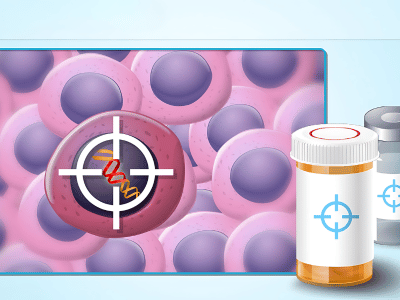
Targeted Therapy
The Best Medical Oncologist in Kolkata states that targeted therapy, a precision treatment, involves assessing the tumor microenvironment before targeting specific cancer cells.
Treatments Offered
- Breast Cancer: Cancer that starts in breast tissue, including DCIS, Invasive Ductal, and Invasive Lobular types.
- Oral Cancer: Malignant growths in the mouth, lips, tongue, or gums.
- Laryngeal Cancer: Cancer affecting the larynx, or voice box.
- Pharyngeal Cancer: Cancer in the pharynx, or throat.
- Head & Neck Cancer: Malignancies in the head, neck, and throat areas.
- Brain Cancer: Includes Glioblastoma, Meningioma, and Astrocytoma affecting brain tissues.
- Gastrointestinal Cancers: Includes esophageal, stomach, and colorectal cancers impacting the digestive system.
- Lung Cancer: Malignant tumors in the lung tissues.
- Pancreatic Cancer: Cancer in the pancreas affecting digestion and hormone production.
- Liver Cancer: Malignancies in the liver.
- Gynecological Cancers: Includes ovarian, cervical, uterine, and vulvar cancers affecting the female reproductive system.
- Genitourinary Cancers: Includes kidney, bladder, prostate, and testicular cancers.
- Endocrine Cancer: Cancer in hormone-producing glands like the thyroid, adrenal, and parathyroid glands.
- Soft Tissue Cancer: Cancer in muscles, fat, and other supporting tissues.

Reviews
Rating Summary
Frequently Asked Questions on Cancer
"Understanding Cancer: Your Questions, Answered"
Common symptoms include unexplained weight loss, persistent fatigue, changes in skin, lumps or swelling, and unusual bleeding. However, symptoms can vary depending on the type of cancer.
Cancer is diagnosed through a combination of methods, including physical exams, imaging tests (such as MRI, CT scans), biopsies, and blood tests.
Treatment options include surgery, chemotherapy, radiation therapy, immunotherapy, hormone therapy, and targeted therapy. The choice depends on the type and stage of cancer.
Yes, lifestyle changes like a healthy diet, regular exercise, avoiding tobacco and excessive alcohol, and protecting skin from the sun can reduce the risk of certain cancers.
Side effects can vary; managing them involves working closely with your healthcare team, who may recommend medications, dietary changes, or other supportive measures to alleviate symptoms.